
Master RT-Flex Engine Operations with Real-Time Simulator Training
Intensive, practical online training designed for marine engineers, ETOs, and technical superintendents.
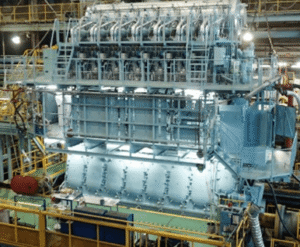
Course Overview :
Wärtsilä RT-Flex electronically controlled engines are the emphasis of the intensive marine engineering training provided by the RT-Flex Engine Online Simulator Course. Realistic critical aspects of the actual engine behavior, system responses, and performance trends are learned with the assistance of an advanced digital simulator. UNIFLEX fuel systems, hydraulic actuation, and digital control logic are discussed in the course while carrying out routine operations and performing fault diagnosis. The course targets marine engineers with the purpose of operational confidence development, while training professionals for new-generation propulsion systems.
Course Schedule :
| Course Duration | Course Start Date | Course End Date | Course Fees | Status |
|---|---|---|---|---|
|
5 Days |
16.02.2026 |
20.02.2026 |
₹ 70,000/- + GST |
|
|
3 Days |
02.03.2026 |
04.03.2026 |
₹ 40,000/- + GST |
|
|
5 Days |
13.04.2026 |
17.04.2026 |
₹ 70,000/- + GST |
|
|
3 Days |
27.05.2026 |
29.05.2026 |
₹ 40,000/- + GST |
|
|
5 Days |
08.06.2026 |
12.06.2026 |
₹ 70,000/- + GST |
|
Purpose :
The hands-on experience with the RT-flex engine simulator enables engineers to practice regular marine engine operations, such as monitoring the trends of engine parameters, analyzing them, and acting upon system abnormalities. Moreover, the training emphasizes the identification of performance trends, comprehension of electronic control settings, and optimization of engine efficiency, emission management, and overall propulsion system reliability.
Key Points
Introduction to RT-Flex Engine
RT-flex electronically controlled engine technology and the designs and benefits it brings compared with conventional mechanically controlled main ship engines.
Operation and Concept
Description about RT-flex engine operation, electronic actuation procedures, and control strategy related to Wärtsilä’s two-stroke electronically controlled engines.
Mechanical & Hydraulic Components
Details of RT-flex mechanical components, hydraulic circuits, and actuators, and systems essential for smooth operation.
Simulator Training
Practical training on a real-time RT-flex engine simulator, engaging with actual operational conditions on board to build expertise.
Flex Control System (WECS 9520)
Mastery of WECS 9520 electronic control, including fuel injection, hydraulic actuation, safety, and automation logic.
FlexView Interface Operation
Practical implementation of FlexView engine monitoring software for viewing engine parameters, examining operational data, and engine performance analysis.
RT-Flex Engine Troubleshooting
Break-down methods and techniques, diagnosis and diagnosis procedures in relation to problems with RT-flex electronically controlled engines.
CLU 4 System & Technical Bulletins
Familiarity with the Cylinder Lubrication Unit (CLU 4), lubrication control strategy, and updates issued within Official RT-Flex Technical Bulletins for safe and compliant operation.
RT-Flex Engine Case Studies
Analysis of case studies and experiences with real-world marine engine operations and failures, and learning optimal approaches.
Assessment & Evaluation
Final exams on knowledge verification in RT-flex engine operation, operating the simulator, accuracy in troubleshooting, and competence in martime engineering.
Course Objectives
⚙️ Core RT-Flex Engine Operations
Structured training on the procedures of starting-up the engine, maneuvers, control of loads, and shutting down, guarantees safety and efficiency under any condition.
🔩 RT-Flex System & Component Familiarization
In-depth knowledge of UNIFLEX fuel injection system, hydraulic actuators, electronic control units (ECUs), sensors, and operator interfaces.
🧠 Control & Automation Logic (Electronics)
Explains how ECU commands, sensors, and actuators interact in controlling combustion, timing, and the response of the engine.
🛠️ Fault Identification & Early Detection
Enhances the ability to detect abnormalities, interpret alarms, and recognize early warning signs before the fault progression.
🚨 Simulation of Emergency Handling
Practical application of emergency shutdowns, system isolations, safety interlocks, and protective responses in critical situations.
📊 Interpretation of Performance Data
Trains engineers in order to be able to analyze trends, provide deviation identification, and review key performance indicators to optimize engine health.
🌱 Energy Efficiency & Emission Awareness
Demonstrates how electronic settings influence fuel efficiency, emissions control, and overall operational balance.
🖥️ Risk-Free Virtual Learning Environment
Offers realistic simulator-based training without risk to machinery, vessel operation, or crew safety.
Course Benefits
👨🔧 Improved Onboard Competence & Readiness
The latter will earn practical confidence and operational clarity while working on live RT-Flex engines onboard.
⚡ Faster & Accurate Troubleshooting
Ability to diagnose faults more quickly and apply corrective actions correctly during real operations.
🚀 Career Growth & Rank Advancement
Strengthens electronic engine competency, thereby enhancing promotion eligibility and employability across fleets.
⚓ Higher Reliability of Vessel Operations
Stable engine performance, fewer breakdowns, and increased uptime are majorly contributed by well-trained engineers.
🧩 Smarter Technical Decision-Making
Scenarios reinforce better judgment, response accuracy, and decision-making when under pressure.
⛽ Improved Fuel & Cost Optimization
This therefore, means improved handling of the engine, better fuel consumption, improved efficiency, and lesser operational cost.
💰 Lower Training Costs for Shipowners
Online simulator training dispels any need for travel and accommodation, or even costs related to physical simulators themselves.
🌍 Flexible Upskilling for Sailing Officers Allows for constant
professional development that does not interfere with contractual schedules or shore leave.