
WinGD Electronically Controlled Engine Training Course
WinGD’s X-Series and RT-flex Electronic Main Engine Simulator Advanced Program
Description :
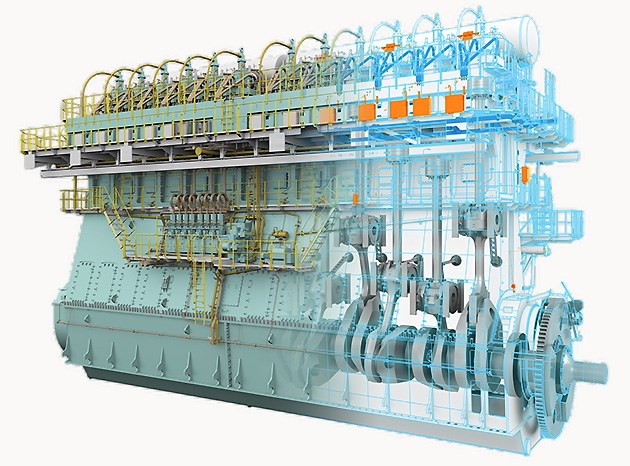
The WinGD Electronically Controlled Engine Course provides detailed knowledge in modern WinGD main engines, as well as RT-flex and X-series engines. Structured theory combined with simulator-based training gives participants practical understanding of electronic fuel injection, automation, control logic, and safety systems of the engine. The course has been focused on real-world operational aspects, fault diagnosis, and performance optimization of modern shipping requirements.
Course Schedule :
| Course Duration | Course Start Date | Course End Date | Course Fees | Status |
|---|---|---|---|---|
|
5 Days |
26.01.2026 |
30.01.2026 |
₹ 70,000/- + GST |
|
|
5 Days |
23.03.2026 |
27.03.2026 |
₹ 70,000/- + GST |
|
|
5 Days |
18.05.2026 |
22.05.2026 |
₹ 70,000/- + GST |
Purpose :
To develop good operational knowledge of WinGD electronically controlled engines. It also bridges the conventional engines with advanced electronic systems. To enhance fault-finding and troubleshooting skills using simulator scenarios.Improving efficiency, safety, and emission standards met by the engines. The course will enable the engineer to operate, trouble-shoot, and perform routine maintenance on modern electronically controlled main engines onboard.
Key Points
Introduction to WinGD Electronically Controlled Engines
Overview of WinGD RT-flex and X-series engines, evolution from mechanical systems, advantages of electronic control.
Electronic Fuel Injection & Control Concept
Understanding common rail fuel systems, electronic timing of injection, pressure control, and combustion optimization.
EMS - Engine Control & Automation Systems
In-depth study of the UNIC/WECS control architecture, sensors, actuators, and system communication.
Engine Operation & Monitoring
Hands-on training in engine start-up, variation of load, maneuvering, and shutdown, with the use of real-time engine parameters.
Alarm Handling & Safety Logic
Protective functions include explanations of alarm hierarchy and shutdown logic, as well as emergency response procedures.
Diagnosis of faults & troubleshooting
Simulator training based on scenarios to identify faults, analyze causes of those faults, and apply corrective actions efficiently.
Optimisation de Performance & Emission
Learn how different electronic settings can affect fuel economy, engine performance, and emission compliance.
Course Objectives
🎯 EN Build Electronic Engine Knowledge
Understand and develop a thorough knowledge of WinGD electronic control principles and engine architecture.
🛠️ Enhance Operational Competence
Enable safe and efficient operation of electronically-controlled main engines.
🧩 Enhance Troubleshooting Skills
Train participants in the systematic diagnosis and rectification of engine faults using simulator tools.
📈 Stengthen Decision-Making Ability
Improve confidence in handling abnormal conditions and performance deviations.
📘 Warm up Support Career Advancement
Train engineers to meet the demands of today’s vessel and the added responsibilities of modern engines.
Course Benefits
⚙️ Practical Learning Based on Simulators
Hands-on experience in realistic operational processes of WINGD engines with fault scenarios.
🚢 Skill Development Pertaining to the Industry
It is also aligned with the current technologies of merchant fleets and shipboard practices.
⏱️ Reduced Learning Curve Onboard
Improves the preparedness to handle electronic engines safely from the first day on board.
🌍 Improved Safety & Compliance
Enhances the understanding of safety logic and emission-control strategy.
📜 Professional Competency
Development Adds value to the technical profiles of marine engineers working on modern vessels.